
10 Home Remedies To Get Rid Of Intestinal Parasites


 1. Natural remedies for intestinal parasites!


You already know how difficult it is to get rid of intestinal worms if you've ever had them. Intestinal parasites can be killed by a variety of over-the-counter medications, but they come with risks. Fortunately, there are natural home methods to get rid of stomach worms. Worms in the stomach are primarily found on the intestinal wall of the digestive tract. They cause a great deal of suffering and can be brought on by consuming raw meat, having a weakened immune system, consuming tainted water, and practising poor sanitation and hygiene. Roundworms, pinworms, whipworms, flukes, and tapeworms are the most prevalent forms of intestinal worms. Here is a list of natural treatments that will eliminate the intestinal parasite swiftly.


2. Signs and symptoms


Loss of appetite

- Stomach ache

- Diarrhea, nausea, or vomiting

- Gas/bloating

- Abdominal pain

- Constant coughing

- Weakness

- Fatigue

- Weight loss


3. Unripe papaya


One teaspoon of honey and one tablespoon of raw papaya should be combined in a glass of warm milk. On an empty stomach, consume it every day for a week to observe the effects.


4. Turmeric


It aids in the eradication of all types of intestinal worms and has antiseptic and anti-microbial properties. Add a teaspoon of turmeric powder to a glass of buttermilk. You can cleanse your body of parasites by drinking it every day.


5. Pumpkin seeds


contains the chemical cucurbitacin, which has anti-parasitic effects and paralyzes parasites, aiding in the body's removal of all parasites. A tablespoon of roasted pumpkin seeds should be combined with a half-cup each of water and coconut milk. For a week, consume this mixture in the morning on an empty stomach.


6. Neem


Several neem leaves should be blended into a fine paste. Take half a teaspoon of this paste with a glass of water first thing in the morning. You can remove parasites from the body by using this cure for a few days.


7. Garlic


The anti-bacterial and anti-inflammatory properties of garlic aid in the removal of stomach worms. For about a week, daily on an empty stomach, chew raw garlic or sip garlic tea.


8. Coconut


The best natural treatment for intestinal worms is coconut. Eat a tablespoon of coconut that has been crushed for breakfast. Drink around one glass of warm milk flavored with two tablespoons of castor oil after three hours. To get rid of all kinds of intestinal worms, drink this for a week. Castor oil should always have the edible label.


9. Cloves
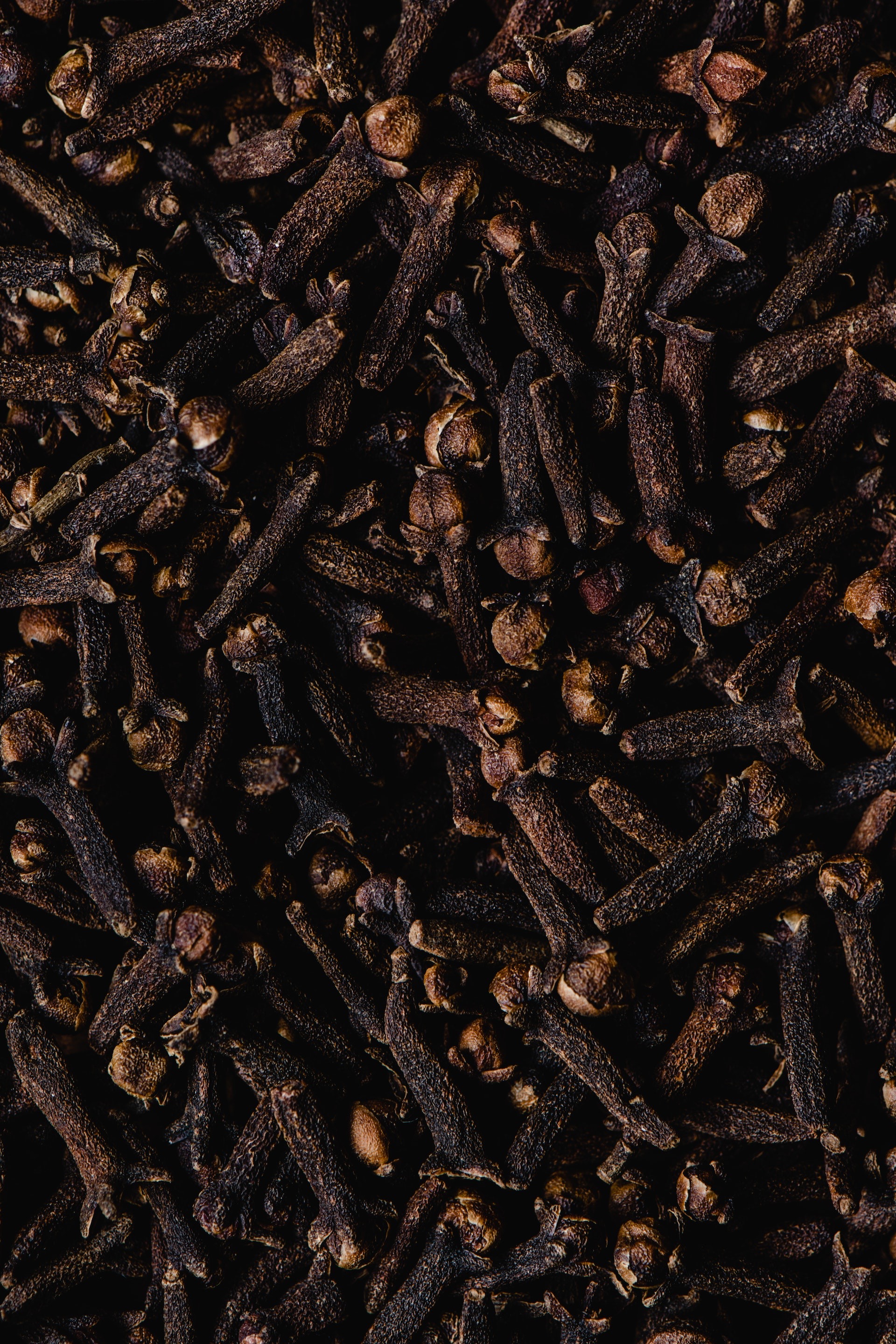


Intestinal worms and their eggs are destroyed by the antibacterial and anti-parasitic effects of cloves. In a saucepan, put two to three cloves and a cup of water for the boil. After 5 minutes of simmering, strain. For a week, drink this mixture three to four times per day.


10. Carrots


A great source of beta-carotene, which can kill intestinal worm eggs, are carrots. Intestinal worms can be removed after a week of eating carrots on an empty stomach.


Comments

Popular posts from this blog

6 Wonderful Advantages of Honey and Cinnamon

  Two of the most potent kitchen ingredients used frequently in Indian households for both culinary and medicinal purposes are honey and cinnamon. These two substances have a lengthy history of use in Ayurveda and Chinese traditional medicine. They each have amazing benefits for one's health and appearance. What happens though if you mix the two? Does this increase their effectiveness? Let's find out more about the wonderful advantages of cinnamon and honey. Honey has a long history of being thought to have medicinal qualities that are great for both skin and hair. Ancient Egyptians used it as a therapeutic substance and even recorded doing so. Minerals and enzymes are abundant. Due to its high acidity, it is frequently used as an antibiotic and contains antioxidants that protect the body from free radicals (destroying cells). It serves as a natural and healthful substitute for sugar. Additionally, honey has a low hypoglycemia index, which aids in controlling blood sugar levels...

9 natural methods to thicken hair

  How to get thicker hair There are numerous techniques to make the hair look thicker and less prone to breakage and hair loss, despite the fact that it is impossible to alter the texture of the hair follicles. Anyone can experience thin or thinning hair because it is prevalent. Among the possible causes include aging, chemical sensitivities, diseases, and inadequate nutrition. In this post, we'll go over a number of all-natural techniques that you may use at home to give your hair a thicker appearance and feel. What does the research say? Depending on a person's sex, numerous types of hair loss may emerge. For instance, according to the British Association of Dermatologists, female pattern hair loss often affects persons who are 30 years of age or older and results in thinning hair on the crown of the head. Also mentioned is the possibility of shorter-looking hair in other places. There isn't a cure as of now. studies from 2021 The significance of therapy for those who are...

WHAT HAPPENS TO CHIA SEEDS WHEN THEY SOAKED IN WATER?!

Watch The Video :   Chia seeds are a wonderful, incredibly nourishing little seed. However, one of the most intriguing aspects of chia is what happens to the seeds when they are soaked in water (or any liquid). Have you given it a try? If you mix chia seeds with liquid, the mixture will expand and take on a fairly gelatinous texture after a few minutes. Not even close to what you began with!   This occurs as a result of the high concentration of mucilage, a soluble fiber, in chia seeds. You are welcome to use that as your fancy word for the day. Mucilage is a substance found in many plants and has a variety of uses. a gel-like substance covering any wounds on the plant that aids in the healing process by preventing the entry of bacteria and pathogens. This mucin inhibits water from entering.  mucilage in the roots helps with seed dispersal to the ground.  enabling germination to take place. In order to surround the seed with moisture while it germinates, this type of...