With the use of the proper components, blackheads can be reduced and even removed. Here are several home cures and natural methods for removing those bothersome blackheads.

1. Baking soda

An all-natural exfoliant is baking soda. Apply a paste made of baking soda and water on the area that has blackheads. For a few minutes, gently scrape the skin with your fingers before rinsing it off with water. Twice a week should be dedicated to this.
2. Clay

Clay's ability to absorb oil makes it perfect for removing excess fat and other impurities from the skin. When applied often to the face, masks consisting of kaolin clay and fuller's earth can help unclog pores. Blackheads will soon disappear as a result, and the skin will become smooth.
3. Steaming

Steaming your skin is a great approach to first soften tough blackheads and then gradually get rid of them. Face steaming causes the skin to perspire, which aids in the removal of internal toxins. Additionally, it softens the pores, making it simpler to treat and get rid of stubborn blackheads.
4. Lemon, salt and honey

Lemon's astringency will help cut oil, and the salt's small granules will function as a gentle exfoliant for your skin. Your skin will be moisturized and protected from germs thanks to honey. Apply a paste made from these three components to the blackheads. Allow it to sit for another five minutes, then scrub gently in a circular motion for a minute. Use warm water to remove. Do this three times per week.
5. Scrubs
Exfoliating is one of the best techniques to get rid of blackheads, as was previously discussed. Let's have a look at some of the greatest homemade scrubs you may use to get rid of blackheads.
Cinnamon and Lemon Juice Scrub
The tightening of pores and enhancement of blood circulation are both benefits of cinnamon powder. A tried-and-true product like lemon may help you in a number of ways! Lemon's antibacterial qualities prevent blackheads, whiteheads, and acne in this condition, keeping the face clean. Combine two tablespoons of cinnamon powder and an equal quantity of lemon juice to make this scrub. After 20 minutes, rinse your skin with warm water to remove the homemade blackhead scrub.
Yogurt and Oatmeal Scrub
Yogurt and oatmeal both have a lot of nutrients, and when combined, they produce a beneficial homemade blackhead scrub. The incredible ability of oatmeal to absorb extra oil from the skin helps to avoid blackheads. Yogurt hydrates and nourishes the skin with the help of probiotic enzymes. Take a teaspoon of oats and combine them thoroughly with some yoghurt to produce this scrub. After massaging it into your face, wash it off with ice-cold water.
6. Egg white mask
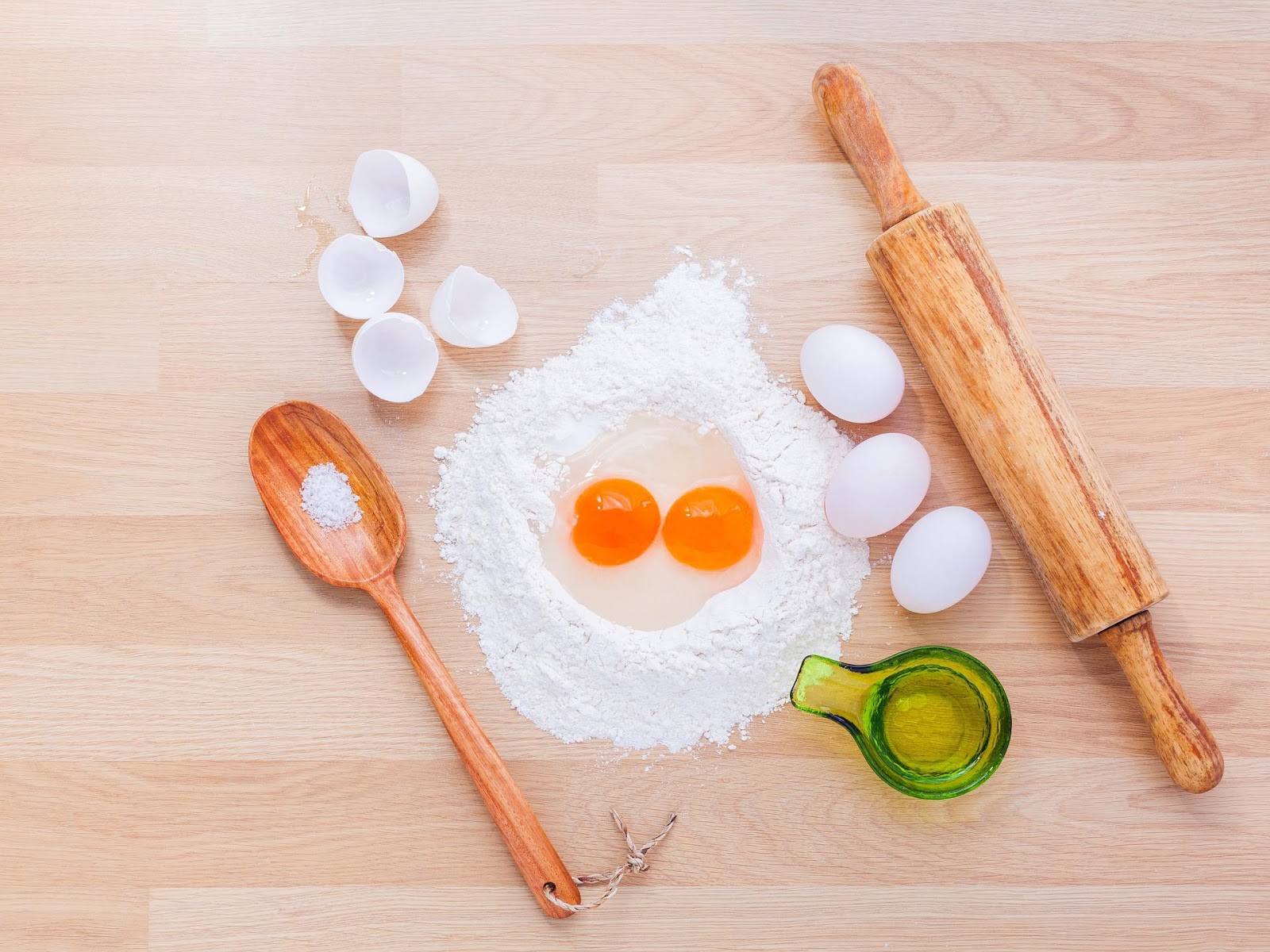
Egg whites, which are well-known for their skin-tightening properties, work well as a blackhead removal agent. Egg whites force blackheads out of the pores whether used as a mask or directly on the skin. Egg whites are a nutrient-rich food that help enhance skin texture and reduce excess oil from the skin.
7. Tomato

Vitamin C and A-rich tomatoes have skin-brightening, oil-absorbing, and pore-shrinkage benefits. People with oily skin would notably benefit from this because tomato pulp gently removes excess oils. Take a tomato and slice it into a few rounds. Focusing on the regions of your skin with blackheads, rub a slice over them. You might also apply tomato pulp to your skin and then wash it off with water after it dries.
Comments
Post a Comment